
In the content-rich ecosystem of YouTube, the volume of information available in video format often exceeds the time audiences have to consume it. Professionals, researchers, educators, and teams frequently encounter situations where extracting critical insights from long video sessions becomes a necessity. The cognitive effort required to stay focused for an hour or more, while simultaneously trying to take notes, can be mentally draining. Whether it’s a detailed product review, an academic lecture series, a conference keynote, or a long-form interview, the sheer length of these videos makes it a challenge to process and retain the information effectively. The old method of repeatedly pausing, rewinding, and manually transcribing key points is inefficient and a major bottleneck for productivity. Smart Noter addresses this need through its YouTube Video Summarizer, an AI-powered feature designed to transform spoken content from videos into concise, structured summaries.

By enabling users to input a video link, the platform processes audio content directly from the source and returns a layered summary that highlights the primary themes, subtopics, and notable takeaways. This eliminates the need to manually watch or scrub through entire videos, particularly those exceeding one hour in duration. Instead, users receive segmented documentation that mirrors the original video's structure while emphasizing its core narrative and instructional components. The system identifies speaker transitions, contextual cues, and recurring topics, organizing them into an easily digestible written format.
Smart Noter’s YouTube summarization capability reflects the same core infrastructure behind its AI Meeting Note Taker, which is used in real-time meetings, video conferences, and uploaded audio sessions. Both functionalities are powered by machine learning models trained to parse spoken language, detect thematic groupings, and deliver usable outputs for strategic or academic purposes. As with meetings, video summaries serve multiple functions beyond reference—they support collaboration, decision-making, and information archiving within professional settings.
The summarized output from a YouTube video is not a mere transcript; it is categorized and distilled to reveal actionable insights, educational value, or strategic directives depending on the content. For example, when applied to a thought leadership webinar or a training module, the summarizer produces an outline that highlights each section's objective and learning outcome, while filtering out extraneous commentary. This capability is particularly valuable for team leaders compiling content for internal use, or for individuals engaging in large-scale research projects. Instead of sharing a full one-hour video with a team, a manager can share a concise summary that includes only the most relevant takeaways and action items. This level of curated information saves a tremendous amount of time for everyone involved and ensures that key points are not missed. For researchers, it means they can process dozens of hours of video content in a fraction of the time, allowing them to focus on analysis rather than manual data extraction.
In practice, the tool benefits users across sectors—from students analyzing lecture series, to consultants reviewing market trend discussions, to media professionals archiving references. A student can use it to create a quick study guide from a professor's long lecture, highlighting key definitions and concepts. A consultant can analyze multiple competitor presentations in a single afternoon to find common themes and strategies. A media professional can use it to pinpoint specific quotes or soundbites from a lengthy public interview for a story. The tool makes the information within videos searchable and accessible in a way that wasn’t possible before, turning a static piece of content into a dynamic, useful document. Coupled with exportable formats and public sharing functionality, the output is designed for broad utility and cross-device accessibility.
For those already utilizing Smart Noter’s AI transcription tools for meeting documentation, this added capacity to summarize YouTube videos represents an expansion of the platform’s role in content management. It provides a unified system where meetings, interviews, and now educational or professional videos can be processed under a single, AI-enabled workflow. The consistency and familiarity of the tool's interface mean that users can quickly become proficient in its new features. It's about building a comprehensive solution for managing all forms of spoken content, whether it's created internally or found on the world's largest video platform.
Explore the full capabilities of Smart Noter’s YouTube Video Summarizer and streamline how video knowledge is consumed, shared, and retained across your organization.
Start for Free to accelerate content comprehension through AI-enhanced video summarization.
Share your thoughts about this article.
Be the first to post a comment!

It has always been a tale of the "good guys vs. the "bad guys. Whenever security...
Techie Frog1 month ago

Artificial intelligence will be used in learning in the future. At present, lear...
Terri Cruz3 months ago
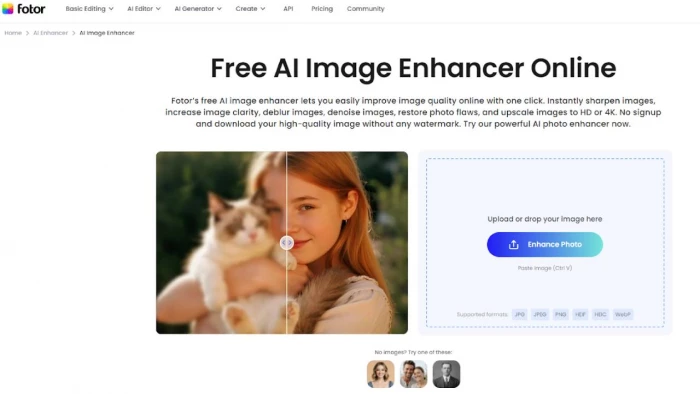
Photos in the modern digital age have become a very important aspect in communic...
Kruzel6 months ago
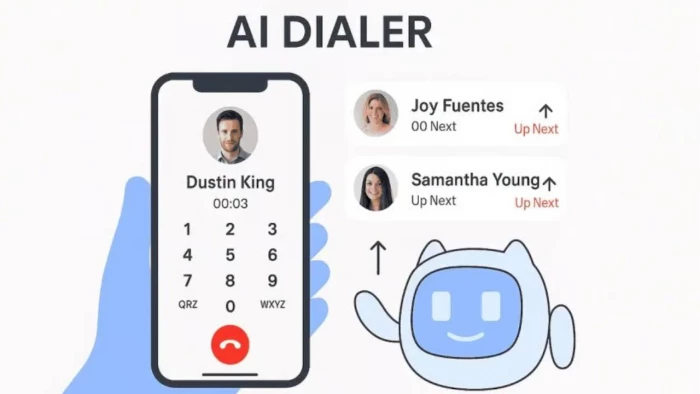
Have you ever had to call a bunch of people and say the same thing over and over...
Kruzel8 months ago

In a world dominated by digital imagery, old photographs often hold a sentimenta...
Terri Cruz1 year ago

As businesses scale, so do their customer service demands—and traditional suppor...
Kruzel1 year ago