
Academic writing is increasingly digital, which means your drafts, notes, citations, and sources are part of a broader security surface. Whether you are conducting literature reviews, collecting interview transcripts, or drafting a thesis, small missteps like weak passwords, unencrypted storage, or risky browser extensions can expose sensitive work.
This is also why many students and researchers look for professional essay writing service, such as EssayPro, that complements their workflow. The moment you share documents externally, security and privacy stop being optional and become part of your methodology, just like citation discipline and version control.
Linux and open source offer an advantage here: transparency, control, and a mature ecosystem of security tooling. With a few deliberate choices, you can build a writing environment that is easier to audit, harder to compromise, and more resilient to data loss.
Linux is a strong foundation for secure work because it supports robust permission models, mature encryption options, and enterprise-grade security tooling that is accessible to individuals. Open-source applications further reduce dependency on opaque components where you cannot easily evaluate what data is collected, where it is stored, and how it is processed.
From a cybersecurity standpoint, the biggest benefit is verifiability. You can choose tools with public security track records, reproducible builds in some cases, and a community that identifies vulnerabilities quickly. This matters when your documents contain unpublished findings, personal data, or research that could be sensitive for ethical or legal reasons.
A secure writing workflow begins with the basics: patching, authentication hygiene, and minimizing unnecessary software. A “clean” Linux installation with only the tools you need is easier to maintain and less likely to accumulate risky extensions, abandoned packages, or misconfigured services.
Practical steps that provide outsized security gains include:
Use a password manager and enable multi-factor authentication on key accounts.
These choices reduce exposure to commodity malware, credential theft, and accidental data leakage, which are among the most common causes of academic work being compromised.
Academic projects evolve over months, sometimes years. You need both confidentiality and durability. Linux makes it straightforward to encrypt local data, and open-source version control provides a reliable audit trail of how your work changes over time.
For confidentiality, focus on encrypting your storage and, when needed, encrypting specific project folders. For durability, version control protects you from accidental deletions, corrupted files, or “final_final_v7” chaos. Even if you are not a software developer, using Git for a thesis or research report is surprisingly practical: you can track revisions, annotate decisions, and roll back mistakes.
If you collaborate, treat your repository and cloud sync as shared infrastructure. Restrict access, use strong authentication, and consider whether the content includes personal data, unpublished results, or anything governed by institutional policy.
Most academic compromises happen through the browser: phishing pages, credential-stuffing, malicious extensions, or fake login portals. When you share drafts for feedback, you often move between email, cloud storage, and web-based editors, all of which are common targets.
Security here is less about “perfect privacy” and more about disciplined hygiene. Use a modern browser with strong isolation, disable unnecessary extensions, and avoid signing into accounts on shared or unmanaged devices. On networks you do not control, such as cafes or campus guest Wi-Fi, encrypt traffic with trusted methods and avoid logging into accounts that could expose the rest of your digital identity.
Also consider metadata. Documents can contain author info, revision history, and embedded comments. Before sharing, export to a format that matches your intent and remove unnecessary metadata when appropriate.

If you engage research paper writing services for legitimate support with writing, editing, formatting, language polishing, or tutoring, treat vendor selection like a security decision since you are also granting access to intellectual property and potentially sensitive data.
Evaluate providers using criteria that matter for cybersecurity and compliance: clear privacy policies, explicit retention and deletion timelines, secure payment processing, multi-factor authentication for accounts, and encrypted file transfer. If they cannot explain how they handle data, that is a risk signal.
Separately, be mindful of academic integrity requirements. Many institutions prohibit outsourcing authored work, while allowing proofreading or coaching. Align any external support with your university’s policy, and ensure you remain the author of record.
In a different category, a college paper writing service might market faster turnaround and “done for you” results. From both integrity and security perspectives, this is high-risk: it increases exposure of your identity, can create blackmail leverage, and may involve reuse of content that triggers plagiarism detection. If your goal is to improve outcomes safely, prioritize coaching, editing, and tool-assisted self-improvement rather than delegation of authorship.
You can often meet the underlying need, better structure, clearer language, reliable citations, without expanding your data exposure. Open-source tools help you keep sensitive drafts local while improving quality.
Consider a workflow built around open tools: a local editor for drafting, a reference manager for citations, and a reproducible export pipeline for submission formats. This reduces dependency on third parties, lowers the amount of data you must upload, and makes it easier to demonstrate authorship through version history.
For cybersecurity, the strategic goal is “least disclosure.” Share only what is necessary, for the shortest time necessary, with the fewest parties necessary. Linux and open source make that goal realistic because you can assemble a capable writing stack without surrendering your project to black-box platforms.
Academic writing quality and cybersecurity are linked: protecting your drafts, sources, and identity is part of producing credible work. With Linux as your base and open-source tooling for drafting, citations, and revision control, you can collaborate more safely, preserve your research trail, and reduce the risk that convenience turns into compromise.
Be the first to post comment!
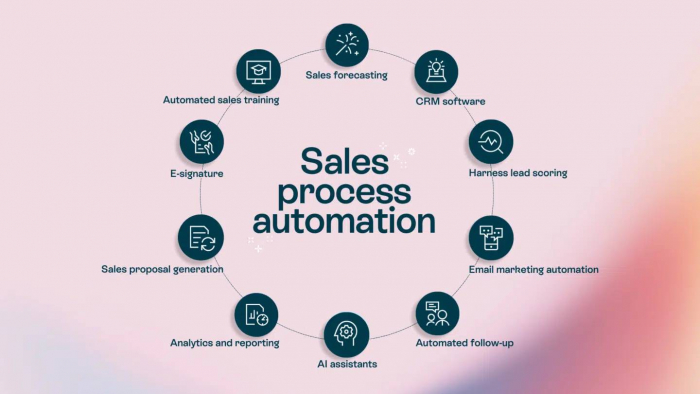
Introduction: Why Sales Automation Is No Longer OptionalToday’s B2B sales enviro...
Michael Hicklen2 months ago

Image search has quietly become one of the most powerful discovery, research, an...
Michael Hicklen2 months ago
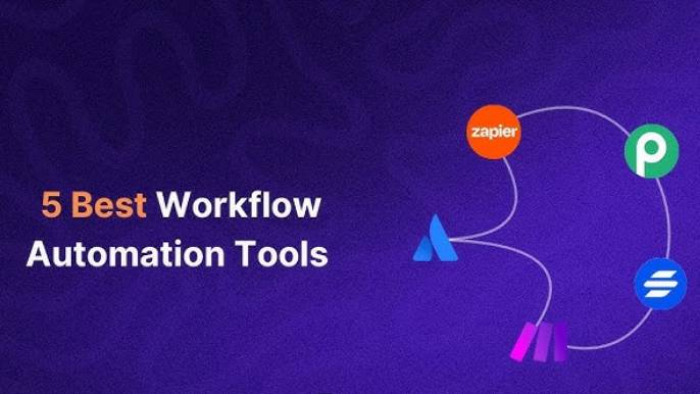
Why Workflow Automation Matters in 2026Automation tools help businesses:● S...
Michael Hicklen2 months ago

1) Foundations :What software review platforms are-Software review platforms are...
Michael Hicklen2 months ago
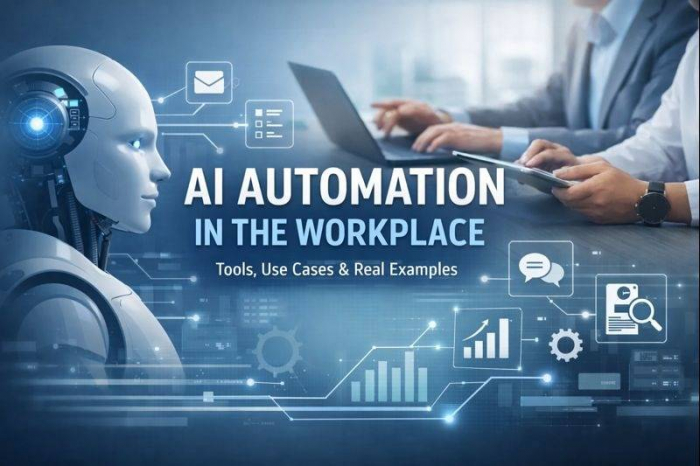
1. What AI Automation in Daily Work Actually Means?1.1 AI automation in daily wo...
Michael Hicklen2 months ago

1. What Is a CRM?Definition-A CRM (Customer Relationship Management) system...
Michael Hicklen2 months ago