Technology
4 min read
How to Design Stunning Landing Pages Without Any Coding
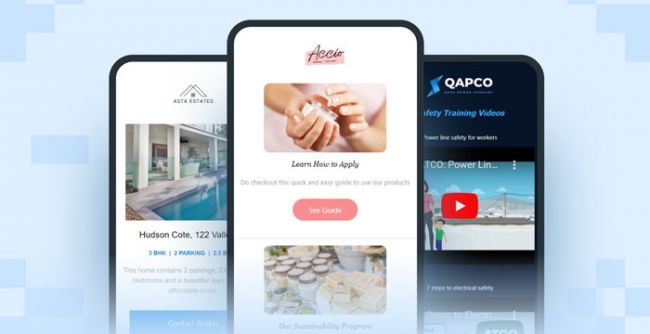
Well-designed landing pages can do wonders for any marketing effort. For a long time, coding was a requirement for web page design, but today, multiple tools offer the ability to design beautiful pages without having any coding skills. So, this article discusses how seamless design makes landing pages captivating.
A landing page generator simplifies creating high-converting pages by helping businesses align design with marketing goals. These pages serve as targeted entry points, guiding visitors toward actions like signing up or purchasing; ultimately, they boost conversions. When visitors are encouraged to do what you want, you can have a clear call to action, like signing up for your newsletter or buying products. Ultimately, a landing page should resonate with marketing objectives and lead to conversions.
According to HubSpot, businesses with optimized landing pages generate 55% more leads than those without them.
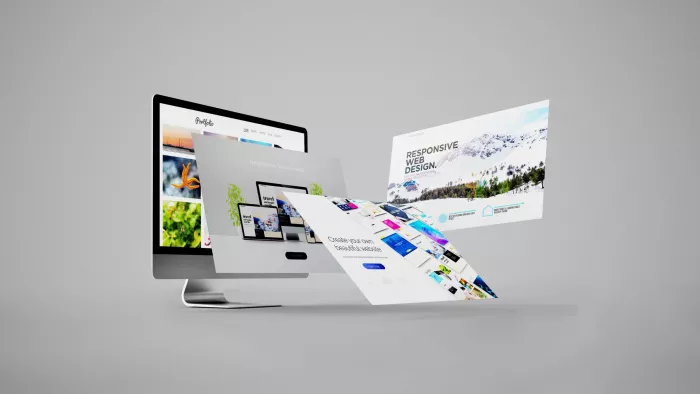
The right tool can make or break your landing page experience. Fortunately, modern platforms offer drag-and-drop editors that eliminate technical barriers while maintaining creative control.
These tools come with built-in templates tailored to various industries, helping you craft a page that matches your brand identity without touching a single line of code.
A great example is Dora AI, a next-generation no-code web builder that turns simple prompts into stunning 3D interactive websites. You can read more about how it works in this detailed walkthrough on GeniusFirms.
Other reliable options include Unbounce, Webflow, and Carrd, each offering intuitive editors, customizable layouts, and built-in performance analytics to help your design succeed.
Content, in particular, is essential in persuading visitors. Landing pages are short, engaging copy that creates natural audience intrigue. Nothing is more effective than a headline that concisely conveys the article's main point. Use an active voice and straightforward language that will deliver a message directly. Further, bullet points can help attract attention to important features or benefits while making the information scannable.
Visuals facilitate the user experience while creating attractive landing pages. Use visuals: A high-quality image, video, and infographic gather attention and context. Graphics should support copying and punctuating messages sourced from text. Branding consistency is maintained through consistent color schemes and typography, giving the page a cohesive look.
User experience optimization guarantees a smooth journey through your site. Optimizing speed, navigation, and mobile friendliness is key. Cross-device testing ensures that pages are responsive on mobile, tablet, and desktop. A simple, non-agent gray layout directs visitors to the call to action and reduces abandonment.
Social proof helps visitors believe in trustworthiness, which triggers action. We know testimonials, reviews, and case studies highlighting interactions with previous customers are excellent ways to show a positive experience. Various social media followings or endorsements from credible sources also improve credibility. Examples from the field help potential clients picture benefits, making conversions more probable.
Accessibility helps landing pages remain usable for everyone, including those with disabilities. Web Content Accessibility Guidelines—creating alternative text for images, ensuring different design choices create sufficient contrast to be viewed by readers who are color blind, and providing keyboard navigation. An inclusive design will expand the audience by allowing visitors a positive user experience.
Continuously improve landing pages through regular analysis. Metrics like bounce rate, conversion rate, and time-on-page can give a glimpse of performance. When you see the gaps, data decisions can help you improve the user experience and effectiveness. Testing out two different versions of something, like a headline or the color of a button, can lead to considerable increases in conversions through A/B testing.
Those who have taken a course that teaches tools and automatics while laboring an excellent guide for landing pages where there is no need, as in this common area, for someone not to have the technical capability to create stunning landing pages. Understanding the intent, using the correct design elements, writing compelling copies, and inserting visuals make an attractive and successful landing page. A fantastic user experience, social proof, accessibility, and performance tracking are the underpinnings of continuing success. Using these techniques, you, too, can create landing pages that convert.
Be the first to post comment!

The Xender APK has remained relevant for one simple reason: it solves a very rea...
Sakshi Dhingra16 hours ago
In January 2026, something happened in AI that didn’t feel like a product launch...
Suraj Malik3 days ago
1. Meaning of Fidzholikohixy :Fidzholikohixy refers to a conceptual product...
Cheshta Upmanyu5 days ago
1) What Chub Venus AI is?➔ Platform purpose and core concept-Chub (and “Ven...
Cheshta Upmanyu1 week ago
In January 2026, Nvidia announced a new set of artificial intelligence models ai...
Suraj Malik1 week ago

The growing use of artificial intelligence in government decision-making is acce...
Suraj Malik1 week ago