Demand in hospitality rarely follows a straight line. Travel seasons fluctuate, events reshape booking patterns, and guest expectations evolve quickly. Yet many hotels still manage revenue with processes that assume stability. When demand surges, teams scramble. When demand softens, pricing decisions slow down. Hiring additional staff might seem like the answer, but increasing headcount is costly and difficult to sustain. A smarter approach is adopting revenue management solutions designed to scale with demand rather than staffing levels.
Manual revenue management depends heavily on human capacity. Teams collect data, review competitor rates, assess booking pace, interpret reports, and update prices across channels. This process works when volume is manageable. However, once distribution expands, properties multiply, or markets grow more volatile, and manual workflows become strained.
The challenges typically appear as delayed rate updates, inconsistent pricing across channels, limited forecasting depth, and reliance on instinct when data becomes overwhelming. Even highly skilled revenue managers can only process a finite amount of information.
Scalable revenue management solutions remove these constraints by expanding analytical capacity through automation rather than additional personnel. Systems process thousands of data points continuously, producing timely insights without increasing operational overhead.
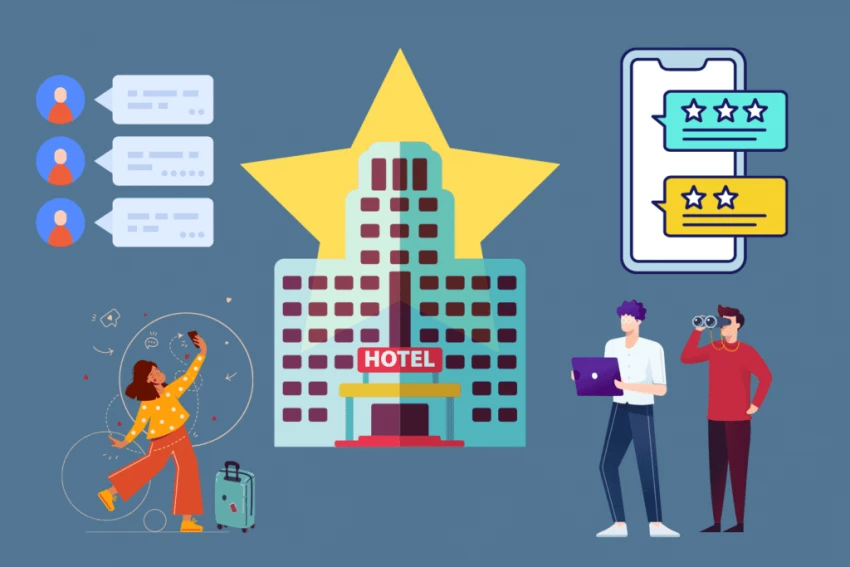
Effective revenue systems rely on more than internal performance data. To price accurately, hotels must interpret external market signals that influence traveler behavior and booking intent. Advanced revenue management platforms synthesize a range of outside indicators, transforming them into actionable pricing intelligence.
Continuous competitor monitoring identifies shifts in market positioning. Rather than checking rates manually, hotels receive real-time awareness of pricing changes across their comp set, allowing faster and more strategic responses.
Concerts, conferences, festivals, and seasonal attractions directly impact demand intensity. Revenue systems capture event calendars and booking surges, adjusting price recommendations before inventory tightens.
When multiple hotels approach high occupancy simultaneously, pricing power increases. Revenue platforms detect compression trends early, allowing hotels to raise rates confidently rather than react late.
Changes in how far in advance guests book rooms provide valuable insight. Systems track lead-time trends and adapt pricing strategies to capture early demand or stimulate last-minute bookings.
Distribution channels rise and fall in performance depending on traveler preferences and promotional activity. Intelligent solutions analyze these movements to recommend rate adjustments.
The volume and velocity of hospitality data have grown beyond what spreadsheets and static reports can handle. Revenue management solutions automate data aggregation, analysis, and recommendation generation. This reduces repetitive administrative work and frees revenue teams to focus on strategic refinement.
Automated forecasting projects future occupancy and rate potential using historical performance and live booking data. Pricing engines simulate multiple demand scenarios and propose optimal rate paths. Distribution integrations update prices instantly across booking channels. All of this happens continuously, without manual intervention.
For hotel groups, managing multiple properties introduces complexity. Each location operates in a unique demand environment, with distinct competitor sets, seasonal cycles, and guest demographics. Coordinating pricing manually across a portfolio becomes increasingly difficult.
Revenue platforms centralize oversight while still allowing property-level customization. Corporate teams gain visibility into portfolio-wide performance, while individual hotels maintain localized pricing intelligence. This balance allows brands to scale without sacrificing market-specific precision.
Smaller operators benefit as well. Independent hotels often lack dedicated revenue departments. Automated systems provide enterprise-grade analytical power to lean teams, enabling them to compete effectively with larger chains.
Scaling revenue operations traditionally required hiring analysts, coordinators, and pricing specialists. While human expertise remains essential, automation absorbs routine data processing and execution tasks. This creates leaner, more efficient teams.
Revenue managers transition from data collectors to strategic advisors. They interpret system recommendations, refine pricing rules, and align revenue objectives with broader business goals.
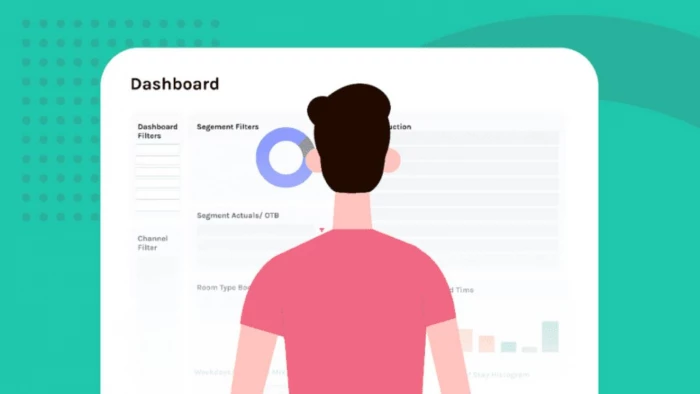
Modern revenue platforms are built for usability as much as analytical strength. Dashboards present complex insights in clear visual formats. Alerts highlight meaningful market shifts. Recommendations are explained transparently rather than delivered as black-box outputs.
This approachable design encourages adoption across departments. Sales, marketing, and operations teams gain shared visibility into demand forecasts and pricing logic.
Hotels that rely solely on manual workflows will continue to face limitations as markets grow more competitive and data volumes increase. Those that adopt intelligent revenue management solutions position themselves to respond quickly, price confidently, and grow sustainably.
Scalable success in hospitality is no longer driven by how many people manage revenue tasks. It’s driven by how intelligently technology supports them.
Be the first to post comment!
Introduction: Why Sales Automation Is No Longer OptionalToday’s B2B sales enviro...
Michael Hicklen2 months ago

Image search has quietly become one of the most powerful discovery, research, an...
Michael Hicklen2 months ago
Why Workflow Automation Matters in 2026Automation tools help businesses:● S...
Michael Hicklen2 months ago

1) Foundations :What software review platforms are-Software review platforms are...
Michael Hicklen2 months ago
1. What AI Automation in Daily Work Actually Means?1.1 AI automation in daily wo...
Michael Hicklen2 months ago
1. What Is a CRM?Definition-A CRM (Customer Relationship Management) system...
Michael Hicklen2 months ago