Artificial Intelligence
4 min read
The Future is Now: Integrating AI into Construction Project Management
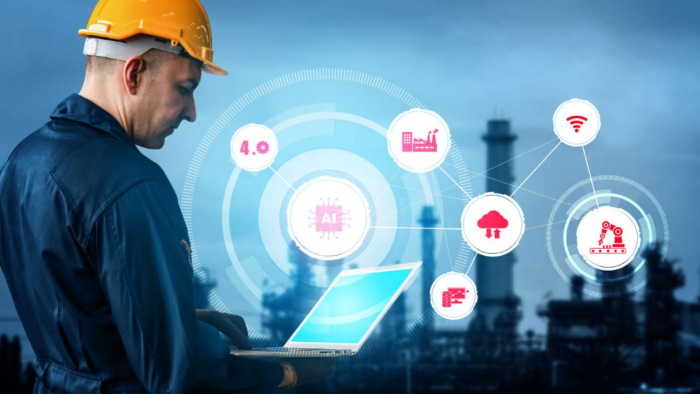
Artificial Intelligence (AI) is changing how the construction industry works — not in the distant future, but right now. From streamlining estimates to forecasting delays and managing site safety, AI tools are being adopted by forward-thinking builders to improve efficiency and decision-making on every level.
As Forbes notes, AI is revolutionizing construction by bringing real-time intelligence into areas that were once guesswork. The companies that embrace these solutions early are already seeing higher efficiency, fewer delays, and stronger client confidence.
What was once seen as a high-tech concept is now a practical advantage for those willing to explore its potential.
Construction has always relied on good judgement. But when AI enters the picture, that judgement is backed by data. AI tools can analyse patterns across past projects, supplier pricing, weather data, and on-site productivity to offer accurate forecasts and insights.
For example, project managers can use AI-driven systems to predict when a job might fall behind schedule — and adjust plans before delays occur. These predictive capabilities mean fewer surprises and better control over timelines.
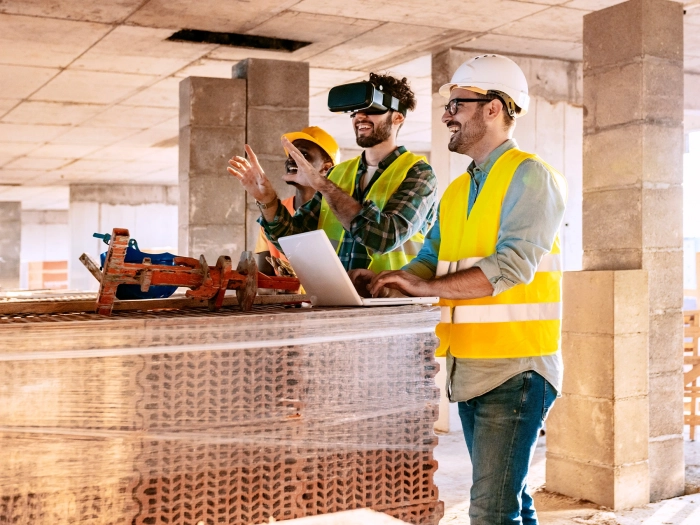
Admin has long been a time-consuming part of construction. Quoting, reporting, document control — all of it eats into valuable hours that could be spent on-site or managing clients. AI is helping to automate these repetitive tasks.
Builders can now rely on AI-enabled systems to suggest quote items based on past projects, automatically generate reports, or highlight inconsistencies in invoices. These tools free up time, reduce human error, and create space for more strategic work.
Even simple features like smart email categorisation or automated follow-up reminders can save hours across a project.
One of the strengths of AI is its ability to turn complex data into usable information. Instead of manually digging through spreadsheets or juggling multiple reports, project managers can use AI dashboards to get a real-time view of job progress, costs, and risks.
This kind of visibility empowers better decisions. When something starts to go off track, the system flags it. When a budget line starts to blow out, alerts can be set. It’s proactive project management rather than reactive problem-solving.
And for clients, AI-enhanced reporting offers greater transparency — which helps strengthen trust and streamline communication.
Accurate estimates are the foundation of a profitable job. With the help of AI, builders can access a deeper level of accuracy by drawing on past performance data, supplier pricing trends, and even regional labour rates.
This is where tools like construction estimating software start to evolve. By integrating AI, these platforms can provide smarter recommendations, flag unusual inputs, and speed up the estimating process without compromising precision.
Builders can produce faster, more accurate quotes while reducing underquoting risks. Tools in other industries, like AI-powered Excel solutions, show how AI consistently improves accuracy and efficiency — and construction estimating software is evolving in the same way.
Builders can respond to client requests faster, reduce their exposure to underquoting, and build stronger confidence in their numbers.
Safety remains a priority across all construction sites. AI is beginning to make a mark here too — not just in documentation but in real-time prevention.
Some systems use camera feeds and sensor data to identify unsafe behaviour or environmental risks before they lead to incidents. Others analyse past incident reports to suggest changes in workflows or safety protocols.
While these technologies are still developing, they show how AI could support safer, more efficient sites in the near future.
As with any new technology, AI adoption comes with concerns. Builders worry about losing control, becoming over-reliant on technology, or investing in tools that don’t deliver real value.
But successful AI integration doesn’t replace human experience — it enhances it. The best systems are designed to support decision-making, not override it. They give builders more time, more clarity, and better tools to manage complexity.
Choosing platforms that are built specifically for the construction industry is key. These systems understand the unique challenges of building and are designed to work with — not against — existing workflows.
AI will continue to grow in construction, but its biggest gains will come from practical, everyday applications. The most successful builders won’t necessarily be the ones using the flashiest tech, but those who find smart ways to improve accuracy, reduce waste, and stay ahead of problems.
Whether it’s through forecasting job durations, enhancing estimating precision, or improving site safety, AI is becoming a valuable tool in the modern builder’s toolkit.
To explore how construction estimating software is evolving with AI capabilities, talk to the team at Buildxact and see what’s already possible today.
Share your thoughts about this article.
Be the first to post a comment!

It has always been a tale of the "good guys vs. the "bad guys. Whenever security...
Techie Frog1 month ago

Artificial intelligence will be used in learning in the future. At present, lear...
Terri Cruz3 months ago

Photos in the modern digital age have become a very important aspect in communic...
Kruzel6 months ago

Have you ever had to call a bunch of people and say the same thing over and over...
Kruzel8 months ago

In a world dominated by digital imagery, old photographs often hold a sentimenta...
Terri Cruz1 year ago
As businesses scale, so do their customer service demands—and traditional suppor...
Kruzel1 year ago